

By Bethel Iglesia HUMSS 11 E

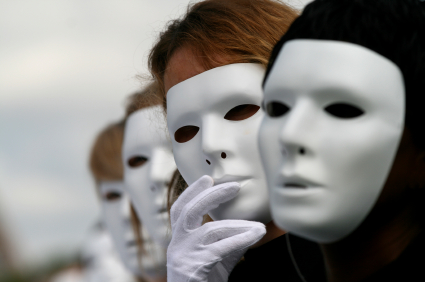
Everyone wears a different mask in front of different people. The problem is some people, actually a lot of people has acted “double faced”. Doble Kara or double faced people appear to thrive upon the social status and attention they claim from being the senior golden gossip dispenser. They prioritize that over consideration for betraying the confidentiality of their acquaintances. In this modern life everyone wears mask to protect their inner feelings, insecurities, and personality. Everyone has two faces that they wear throughout their life. One for the world they live in where they act a certain way to be socially accepted by their peers, and one for when they’re alone and all the pressures of life are lifted. Life has a way of making people feel self-conscious about themselves, so they hide. The fear of people finding out and completely ruining their reputation that they’ve spent years building is hard to bear. So instead of revealing their self, they hide their secrets away where they won’t ever become known, so life can go on as is should be.
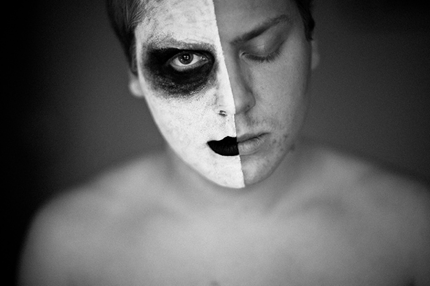
“A person’s personal life is like a deep ocean, full of secrets that a person would never want to see daylight.”
According to Charles Horton Cooley’s the looking glass self theory, individuals base their sense of self on how they believe others view them. Using social interaction as a type of “mirror,” people use the judgments they receive from others to measure their own worth, values, and behavior. According to Self, Symbols, & Society, Cooley’s theory is notable because it suggests that self-concept is built not in solitude, but rather within social settings. In this way, society and individuals are not separate, but rather two complementary aspects of the same phenomenon.
We can’t know how others judge us or how they feel about us. Instead, we depend on our imagination either thinking about how they might react when we’re looking in the mirror, or observing their responses and attempting to infer from those to their inner ruminations. What this means is that our self-image is shaped by others, but only through the mediation of our own mind.
Just looking at life and all its aspects shows how people are frightened to truly express themselves as the individual they really are. Life becomes complicated in the process of growing up, and looking around, society doesn’t encourage people to stand up and be what they honestly want to be. In imagining how others will respond to our actions and presentation, we allow ourselves to manage the kind of self-image we attempt to project, but crucially, as Cooley highlights, there is no way to truly know what others think of us.
The looking glass self helps to explain early identity development. A person tends to become a combination of the features that are approved and desired in society. Society always puts pressure on individuals to conform to its values and judgments in order to receive approval, thus humans who generally seek acceptance and want to be well thought of shape their social actions according to the signals they get from the social mirror into which they are always looking.





 BLOG HUMSS E